

Russian sanctions: do they really work?
02.05.2024

In the aftermath of Russia's aggressive incursion into Ukraine in 2022, the European Union and the United States swiftly responded with a barrage of sanctions aimed at Russia's military capabilities and deterring further acts of aggression. However, despite the initial optimism surrounding these punitive measures, recent developments have raised questions about their effectiveness.
At the outset, the sanctions did show promise, causing disruptions in Russia's economy and sparking concerns among its leadership. The Russian economy took a significant hit, with GDP plummeting by approximately 2.1% in the first year following the invasion. This initial success hinted at the potential of these measures. However, over time, Russia managed to mitigate these effects and even restore its economic activity to pre-invasion levels. By 2023, the economy showed signs of recovery, with GDP growth reaching around 2.2%.
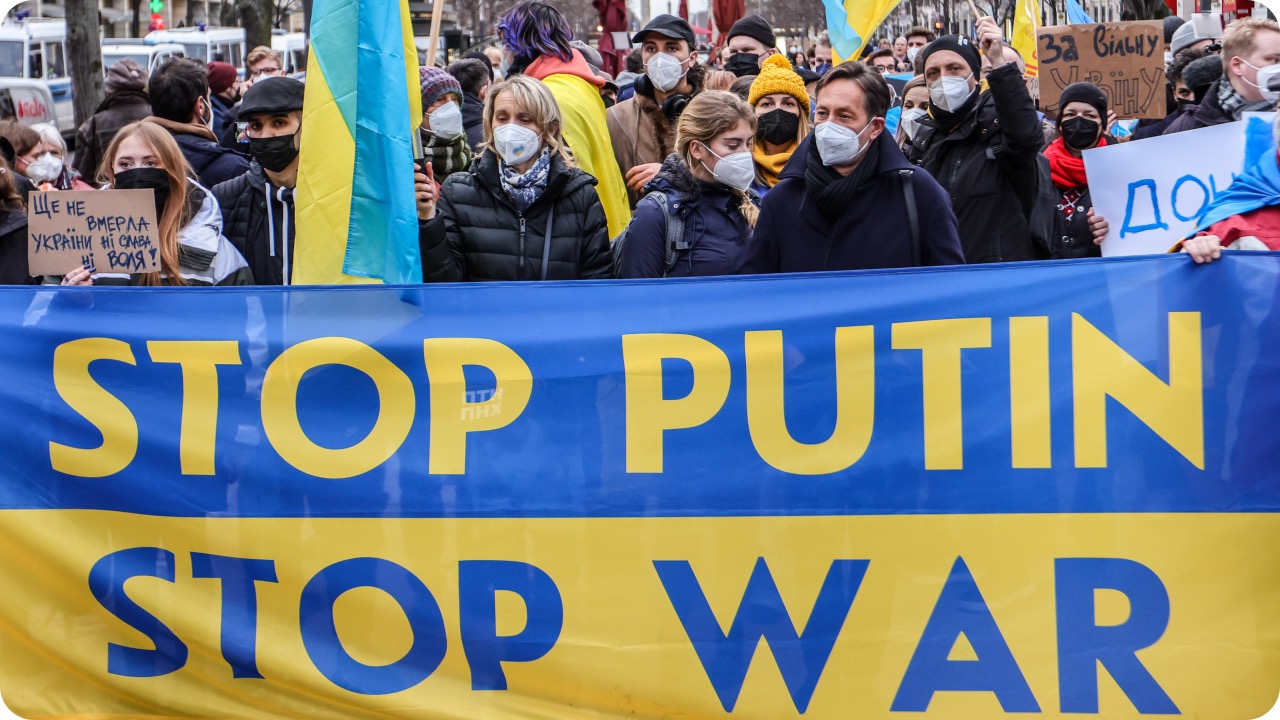
Why did the sanctions fail to deliver the desired outcome
The key question is: Why did the sanctions fail to deliver the desired outcome? The answer appears to be quite simple and intuitive. One crucial factor to realize is that the EU and the USA are not the sole arbiters of global power.
Russia has deftly sidestepped the impact of sanctions imposed by the European Union and the United States by leveraging alliances with countries like China, a significant technology exporter. China's role in bolstering Russia's military capabilities has been pivotal, allowing the Russian war machine to operate despite international sanctions. However, the United States has recently upped the ante by sanctioning Chinese entities involved in supplying military equipment and technology to Russia. This move highlights the escalating tensions between global powers and the intricate nature of international relations in the face of global challenges.
As the geopolitical dynamics continue to shift, the effectiveness of recent sanctions remains in question. While the sanctions have undeniably applied pressure on Russia, their long-term impact and effectiveness in curbing its aggressive behavior are still unclear. The recent spike in tensions between major powers underscores the intricate web of interests at play.
In conclusion, the evolving landscape of international relations presents formidable challenges in enforcing sanctions against rogue nations like Russia. As policymakers grapple with these complexities, the efficacy of future sanctions will depend on a nuanced understanding of geopolitical realities and strategic alliances on the global stage.