

Ukrainian Crimea: How Russia annexed the peninsula and made it a military base
18.01.2024

In February 2014, Russia's annexation of the Crimean peninsula marked a turning point, fueled by a falsified "referendum" and backed by the Russian military. Following this annexation, a comprehensive process of Russification unfolded, marked by forced practices such as the mandatory imposition of Russian passports, the downsizing of schools and classes catering to ethnic minorities like the Crimean Tatars, and the relentless persecution of those who opposed Russian rule and advocated for a return to Ukraine.
Fast forward to February 2022, and Russia initiates a full-scale invasion of Ukraine, utilizing Crimea as a strategic bridgehead for attacks on southern regions. The once prosperous resort transforms into a military base, witnessing the passage of tens of thousands of soldiers and military equipment. Crimea became a hub for the export of grain looted from occupied territories, and it now serves as a holding ground for prisoners of war and political prisoners. Additionally, ethnic Ukrainians and Tatars above the age of 18 are forcibly mobilized and deployed to conflict zones, following a pattern seen in all occupied territories.
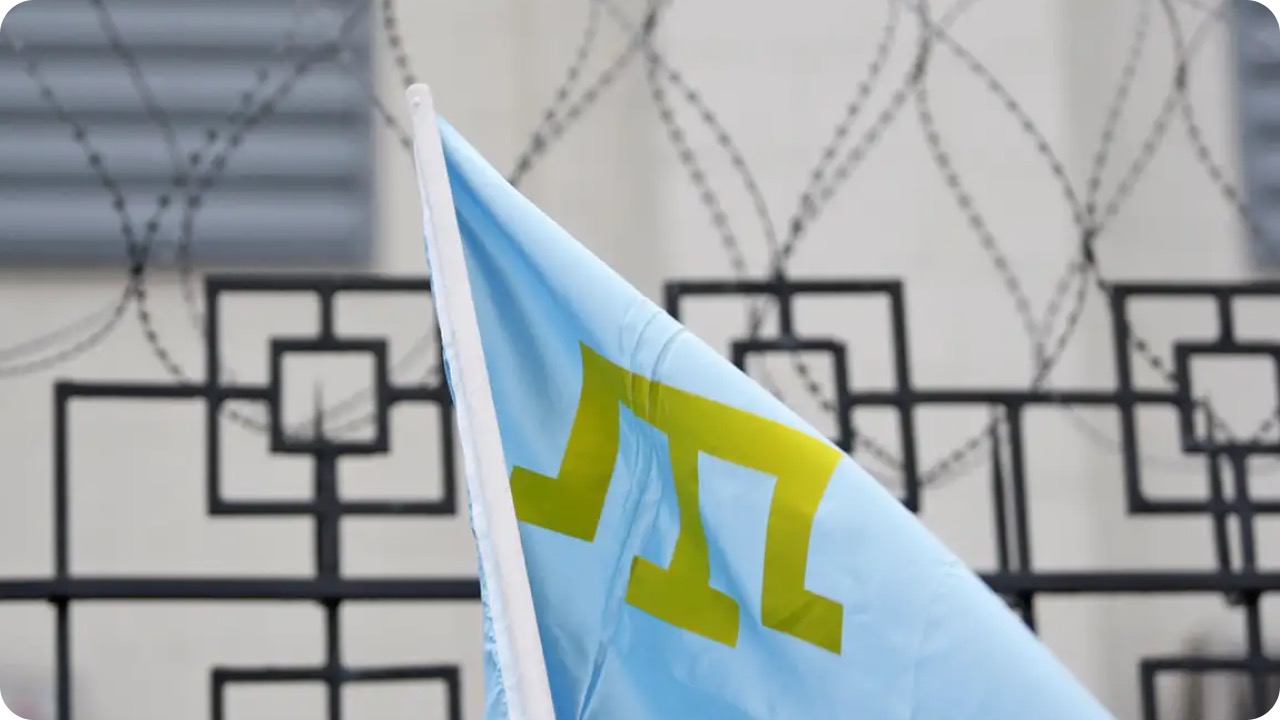
Crimean Tatars face ongoing persecution under Russian occupation
Despite this challenging environment, the people of Crimea, both ethnic Tatars and Ukrainians, have steadfastly resisted the occupation since its inception. This resistance movement actively aids the Ukrainian army by providing critical information on enemy troop movements, sabotaging transportation routes, targeting military bases, and disseminating the Ukrainian narrative among the local population. The struggle against Russian forces in Crimea is not merely a regional resistance but a significant contribution to the broader global fight against Russian occupation.
Amidst the harsh suppression of language, culture, and religion and attempts to erase the rich history of the people inhabiting this territory, the resilient representatives of this culture continue their resistance. Their ongoing struggle is a testament to their commitment to national identity and a crucial component of the global efforts to counter Russian aggression. For these individuals, cessation of the struggle would equate to the extinction of their own nation, making their persistent resistance an indispensable element in the fight against Russian occupation.
Russia's Strategic Exploitation of Crimea
In the wake of Russia's aggressive military incursion into Ukraine, the occupied region of Crimea has evolved into a pivotal military base, strategically employed as a launching pad for offensives into mainland Ukraine. This invasive maneuver has manifested in multifaceted ways, with missile and rocket strikes emanating from the peninsula and its territorial waters. The situation is exacerbated as civilian infrastructure, notably the Kerch bridge, Tavrida highway, and railway systems, are commandeered to facilitate the seamless transport and deployment of Russian troops into the temporarily occupied territories of Crimea, extending their reach into Kherson, Mykolaiv, and Zaporizhzhya regions.
Beyond its militaristic role, Russia has transformed the temporarily occupied Autonomous Republic of Crimea and Sevastopol into a nefarious hub for the transportation and illicit sale of plundered goods from mainland Ukraine, particularly agricultural products. Ukrainian law enforcement agencies have documented Russian-flagged vessels transporting grain suspected to be unlawfully obtained from the Kherson and Zaporizhzhia regions through Crimean seaports that have been closed since 2014. Investigations ongoing as of June 2022 are probing the potential involvement of companies from Syria and Turkey, who are alleged to have purchased Ukrainian grain illicitly exported by the Russian Federation.
Disturbingly, Ukrainian authorities have identified a fleet of Russian vessels, including the likes of "Nadezhda," "Phenicia," "Sormovskiy," "Viera," and "Mikhail Nenashev," engaged in the unauthorized export of looted grain, often with their radars deliberately switched off. Russia's actions extend beyond mere economic exploitation, as they pilfer vital grain reserves intended for export to Africa, Asia, and European countries. Meanwhile, the majority of these reserves languish in Ukrainian seaport warehouses, inaccessible due to the blockade imposed by the Russian military.
This insidious manipulation of Crimea underscores Russia's alarming disregard for international norms and its willingness to exploit the region for both military and economic gain, leaving Ukraine to grapple with the far-reaching consequences of this calculated aggression.