

It is not about religion: Why Russia-linked church must be banned
29.11.2023

The historical ties between the Russian and Ukrainian Orthodox churches often lead to discussions about their common origin, with occasional insinuations suggesting that the Ukrainian church separated from the Russian one, hinting at alleged inferiority. In reality, when the territories of present-day Ukraine were under Muscovy's influence, the latter imposed its church, distinct from religion itself, and this arrangement persisted for centuries.
However, significant changes occurred in Ukraine after Russia's full-scale invasion in February 2022, culminating in the enactment of a law banning the activities of the Ukrainian Orthodox Church of the Moscow Patriarchate (UOC-MP) in the country. Moscow Patriarch Kirill decried this move as a "restriction of freedom of religion in the country," yet there is no evidence beyond Russian statements to substantiate this claim.
So what's the matter? Is it religion, or is the reason much deeper?
The issue goes far beyond religion. The UOC-MP and its clergy were implicated in espionage and supporting enemy propaganda within Ukraine, aligning with pro-Russian narratives that often sided with the adversary in the prolonged conflict. Framed within the context of national security, the adoption of such a law appears entirely logical, dissociated from any deliberate infringement on religious freedoms.
Anticipating subversive activities from the Moscow Patriarchate is not unfounded, considering its historical alignment with the Kremlin's propaganda. Russian priests have long served as instruments for disseminating Kremlin narratives, justifying the war in Ukraine, and offering blessings for actions that result in harm to Ukrainian civilians and critical infrastructure. In such circumstances, questions about genuine faith and alignment with the divine in Russia become impertinent.
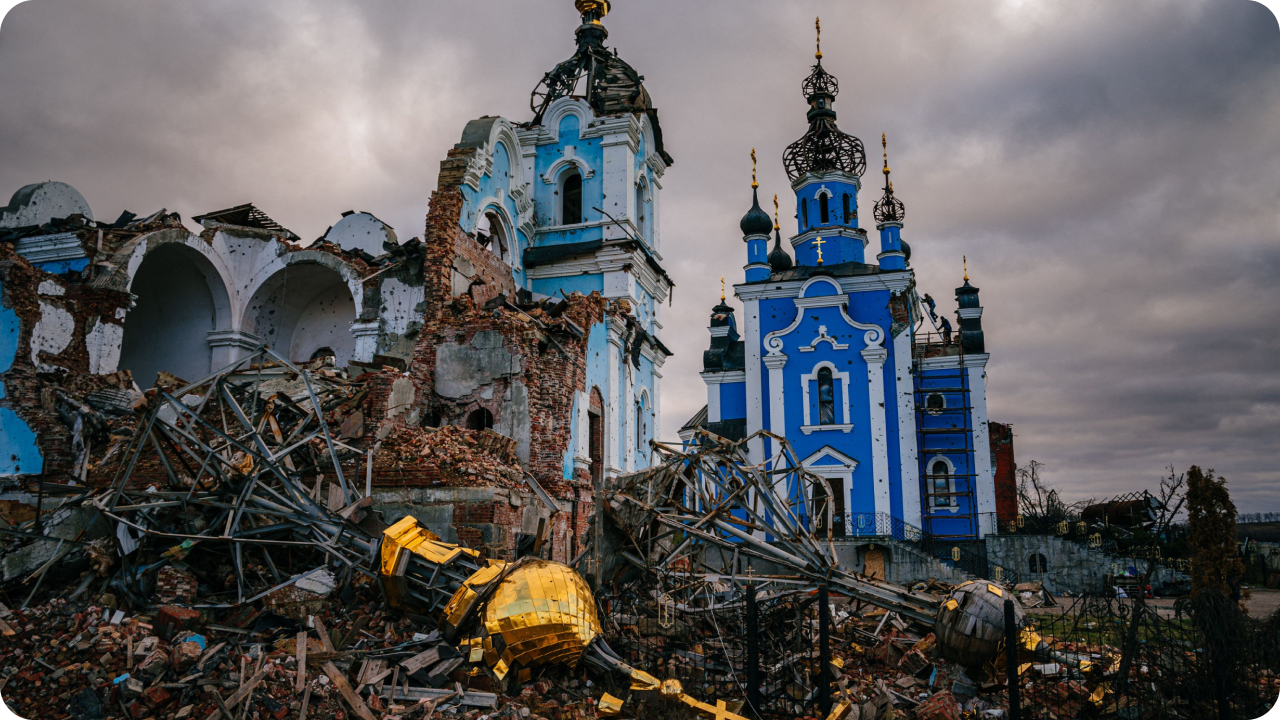
As for the Ukrainians themselves, sentiments about the expulsion of the Moscow Patriarchate differ. A minority (approximately 4%) belonging to the UOC-MP expressed outrage over the removal of their priests from the Kyiv-Pechersk Lavra, a central religious site. However, the majority supports this measure, identifying themselves with the Orthodox Church of Ukraine or simply as Orthodox Christians, distancing themselves from a specific patriarchate.
The gradual erosion of the Moscow Patriarchate's influence in Ukraine reflects a broader shift in religious affiliations and the rejection of its propagandist agenda. Despite this, Russia continues to endorse actions detrimental to Ukrainians. Consequently, the ban on the Moscow Patriarchate in Ukraine transcends religious considerations; it is a matter of national security and the survival of the entire nation in the face of ongoing geopolitical challenges.